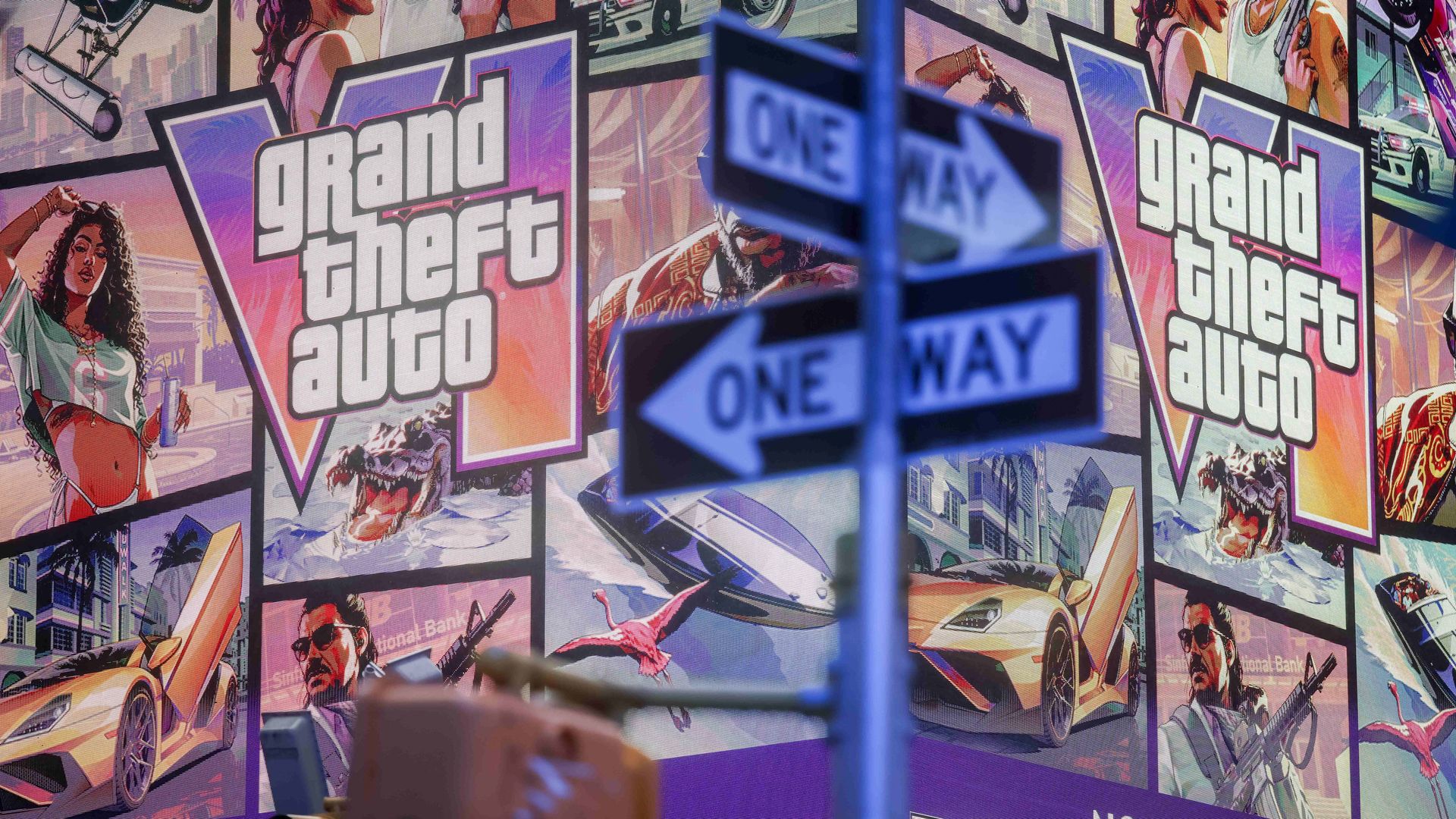
GTA 6 Takes Over America: How Grand Theft Auto VI Became the Biggest Viral Gaming Phenomenon of 2026
Grand Theft Auto VI didn’t just launch—it exploded onto the internet. Thirteen years of waiting, a mountain of hype, and then, finally, Rockstar dropped its latest epic. Suddenly, everyone was in on it. Millions celebrated its release, while TikTok, YouTube, and X overflowed with wild gameplay clips. For a moment, in this increasingly piecemeal digital age, GTA 6 gave us something we rarely see anymore: a true shared event.
The game’s impact went way beyond gamers. Brands, influencers, celebrities, politicians—everyone seemed pulled into the world of GTA 6, whether they liked it or not.
But here’s where things get really interesting. This wasn’t just another popular game launch. Somehow, GTA 6 got people from every corner of the internet talking about the same thing at the same time. Even people who would never touch a controller joined the conversation.
For a little while, it felt like one massive national water-cooler moment. How did Rockstar pull that off, and what does it say about where gaming and internet culture are headed?
Let’s take a look.
GTA 6 Launch: Internet Meltdown
Rockstar kept fans on the hook for years. GTA V came out way back in 2013, and every rumor, every trailer, every half-baked theory only added fuel to the fire. Each tidbit set off another round of chatter online.
When GTA 6 finally arrived—November 19, 2026—the internet just detonated. Axios reported nearly 25 million copies sold and over $2.3 billion in revenue, just by Thursday night. That’s almost triple what GTA V did at its record-setting launch. The numbers are wild.
Still, those sales only tell part of the story.
What really stood out was how GTA 6 grabbed everyone’s attention all at once. Whether you follow games, watch viral clips, or just scroll through memes, it was impossible to avoid. GTA 6 turned a game release into a true main-event spectacle.
How GTA 6 Became America’s New “Monoculture”
Ask yourself: when was the last time everyone you know talked about the same thing? Movie premieres and big sports championships used to do it, but now? Not so much. Social media is splintered. One person’s feed is all K-pop; someone else’s is nothing but politics or gardening or whatever niche they’re into. It’s rare for a single event to break through everywhere.
GTA 6 smashed right through that wall.
Gamers obsessed over missions. Streamers battled for viewers. Meme accounts blasted out weird and hilarious clips. Even political pundits weighed in, debating the game’s edgier moments. If you hadn’t played GTA before, odds are you still bumped into the conversation somewhere.
That’s the wild thing. You didn’t need to love video games, or even care about Vice City, to get caught up in it. Some people dove in for the action. Others just wanted to understand why their feed wouldn’t shut up about it. Different interests, same cultural tidal wave.
Vice City: Rockstar’s Wild, Hyper-American Playground
The latest GTA centers on Vice City—a cracked-mirror version of Miami, tailor-made for Rockstar’s trademark blend of crime, celebrity, mayhem, and dark satire. The world is packed with familiar, real-world archetypes: influencers, hustlers, wild conspiracy nuts, and media personalities.
Players can sink into crime sprees, launch bank heists, cause havoc, or just chill: fishing, shopping, hitting the gym, or meeting new characters. One minute, you’re dodging cops; next, you’re jogging through a pastel-lit neighborhood or stumbling into some strange NPC.
This unpredictability is sort of the point. The mundane can suddenly go viral: a random street argument, a wacky chase, or a totally bizarre in-game ad. Content creators love this stuff—every oddball moment is potential gold.
Gameplay Goes Viral: GTA 6 Dominates TikTok, YouTube, and X
Want to get in on the excitement without playing? No problem. Watching GTA 6 is almost as entertaining as playing it.
Axios said launch-day GTA streams pulled in nearly 8 million viewers at their peak. Wander anywhere on social media, and you’ll stumble over endless GTA 6 highlights, drama, and nonsense—tens of billions of views across all platforms. It’s a content machine.
Streamers let fans ride along on their missions. YouTubers pump out tips, tricks, and elaborate guides. TikTokers mine surreal little moments for quick hits of laughs. Even folks who specialize in clipping funny stuff from games are pumping out material day and night.
And it feeds on itself. One silly clip can get turned into a meme, a reaction video, a news post. The game’s chaos just ripples out, nonstop. It’s a new kind of event: part game, part social-media juggernaut.
Controversy: The Fuel That Keeps GTA in the Spotlight
Of course, “controversial” and “GTA” have always gone together. The series made its name with violence, deadpan satire, and envelope-pushing content, so it’s no surprise that familiar arguments bubbled back up.
Parents and pundits worried about violent games influencing kids. Defenders pushed back, arguing it’s entertainment for grown-ups. GTA has an M rating for a reason.
But this time, there’s a new twist. Some internet corners rolled their eyes at the game’s relationship features—buying flowers, helping characters, showing affection. Some labeled it “soft,” others saw it as just more depth for the story. The point is: controversy drives even more conversation, gets more eyeballs, and puts GTA 6 all over everyone’s feed again.
Rockstar’s Satire: Still Biting, Still Everywhere
Satire is GTA’s bread and butter. Vice City is loaded with jokes, gags, and jabby references that skewer everything from modern influencers and internet celebs to conspiracy nuts and media blowhards.
Rockstar’s humor isn’t about winning you over to a side—it’s about showing just how weird and over-the-top American culture can get. That ambiguity gets people fired up. Is the joke on you, on them, or on everyone? Hard to say, and that’s why it lights up discussion threads.
Even if you don’t play, you probably saw one of those fake ads, radio bits, or winking in-game news reports floating around. The line between game and the real world feels pretty thin sometimes.
Even the White House Got Involved
Here’s one for the history books: the White House posted a GTA-style video using Donald Trump as the main character. They called it “WELCOME TO MAGA CITY XLVII,” borrowing GTA’s look and feel for politics.
That’s wild if you think about it. GTA spent years as a culture-war punching bag, but now political operatives use its iconography to score points online. Gaming culture isn’t niche anymore; it’s the new mainstream. If politicians use GTA memes, that tells you just how massive this thing is.
GTA 6: Changing Work Culture, Too
You know GTA 6 hit big when people start planning their lives around it. A GameSquare survey saw nearly a third of working U.S. gamers considering taking time off work to dive into the game. Some even called it “GTA Flu”—a nod to 2013, when fans did the same thing for GTA V.
The logic is simple: you want to explore, avoid spoilers, stay ahead of the crowd, and just binge on a game you’ve been waiting over a decade to play. People don’t do this for just any title. GTA is in a league of its own.
Army Enlistment, But Make It GTA
Maybe the strangest headline? At Fort Stewart in Georgia, 43 soldiers pledged to reenlist for up to six more years. The kicker? A four-day GTA gaming pass was part of the deal.
Obviously, military decisions aren’t only about video games. But if a GTA-shaped incentive moves the needle—even a little—that’s cultural power at work. When a game is part of stories about recruiting, work leave, or national politics, you know it’s more than entertainment.
A Six-Figure Job for Playing GTA
Meanwhile, prediction market company Kalshi offered a job: play GTA 6, study its digital economy, and earn as much as $135,000. Over 33,000 people sent in applications.
It’s a gig that sounds almost unreal: get paid to explore Vice City’s complex systems and see what insights you can learn from its fake economy. There’s actually a serious side to this—big games now have intricate internal economies, and people want to figure out what they mean for business, tech, and behavior.
Gaming jobs are bigger (and weirder) than ever.
Why GTA 6 Is a Gold Rush for Creators
For content makers, GTA 6 is a golden opportunity. YouTubers, livestreamers, gaming websites, meme-makers—they all want a piece. But in a sea of content, just dropping gameplay isn’t enough. You’ve got to figure out what viewers actually want.
Some crave detailed walkthroughs. Others search for hidden locations, cool secrets, character backstories, or just want to laugh at the chaos. The most successful creators are already finding their niches:
- Breaking down missions and strategies
- Mapping out hidden spots and Easter eggs
- Sharing funny or insane moments for short-form video
- Digging into character arcs and storylines
- Reporting news, updates, or developer hints
The trick is staying original and useful, not just chasing the same viral trend as everyone else.
Gaming Is Mainstream—And GTA 6 Proves It
For years, video games were treated like the extra in the entertainment world—fun but never front and center. GTA 6 blows that notion up. The game is a mix of interactive story, music, celebrity cameos, sprawling digital worlds, and live events.
Now, someone who calls themselves “not a gamer” might still bump into GTA 6 through a meme, a TikTok clip, or even a political debate online. Each of these is a new point of entry. Games like this are competing with every other kind of media out there, and they’re holding their own.
What the GTA 6 Smash Means for the Future
Three big lessons jump out from all this:
- Anticipation is rocket fuel. Rockstar let the hype simmer for over a decade, and the pay-off was huge. They created a fanbase hungry enough to make launch day a holiday.
- Social media has changed gaming. Owning the game is optional—streaming, memes, and reaction videos mean everyone joins the party in some way.
- Controversy and debate aren’t roadblocks—they’re accelerants.
- When a game is big enough, it becomes a gathering place—a kind of platform, not just a source of activities. That’s probably GTA 6’s real legacy: it isn’t just a game, it’s a cultural meeting point.
Is GTA 6 the Defining Gaming Event of 2026?
Look at the sales, the livestream numbers, the way it took over every corner of social media. GTA 6 isn’t just a game release. It’s a full-blown phenomenon:
- Players are glued to their screens.
- Social feeds are a blur of memes and clips.
- Creators can barely keep up with all the content.
- Businesses want a slice of the action.
- Even politicians can’t resist jumping into the conversation.
- Workers actually scheduled time off just to play.
Very few games—or any entertainment for that matter—can pull off something like this. Whether GTA 6 keeps the hype rolling or not, for now, it’s set the bar for what a true cultural moment looks like in 2026.

Digital content writer at EarningOnline.tech, covering government schemes, Games, finance, technology, online earning, and the latest news with a focus on accuracy and reader-friendly information.